
The Politics of Staying Apart
Fantastic Beasts and Where to Find ThemThis flow follows how the book distinguishes protection from integration and examines communities that prefer autonomy over inclusion in wizard institutions.
increasing Bearing strength in each event
 decreasing
Bearing strength in each eventdecreasingA Summit Designed for Inclusion
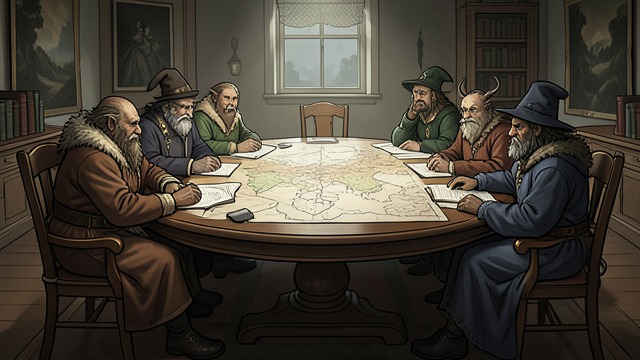
A Summit Designed for Inclusion
Invitation to participate
Burdock Muldoon calls magical creatures to discuss laws with wizards after defining “beings” by their two-legged form. The summit is meant to bring non-wizard communities into governance.
Inclusion without understanding
The meeting’s disorder reveals that the invitation has not been shaped around the needs or wishes of those summoned. Creatures arrive, but meaningful participation never takes hold.
The episode shows that political closeness cannot be created by a label alone. Relationships require institutions to understand who they invite and how those communities want to engage.
Centaurs Reject the Council
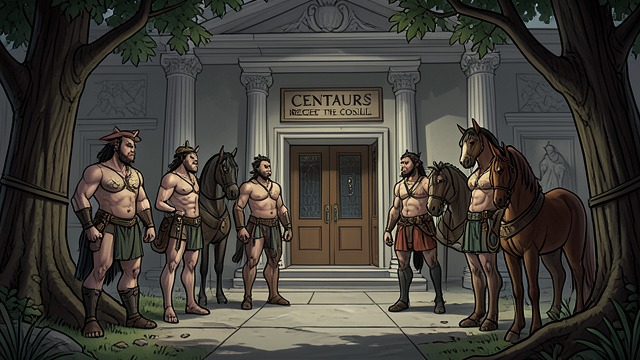
Centaurs Reject the Council
A changing legal position
Centaurs are classified as “beings” under Madame Elfrida Clagg’s language test, yet they refuse to attend her council meeting. Their status does not create trust.
Solidarity and self-rule
They object to Merpeople being excluded and later reject being status in favour of managing their affairs separately. Their choice joins solidarity with autonomy.
The relationship between Centaurs and wizard institutions remains strained even when formal recognition changes. Respect requires hearing a community’s refusal as well as its claim to inclusion.
Merpeople Seek Their Own Affairs
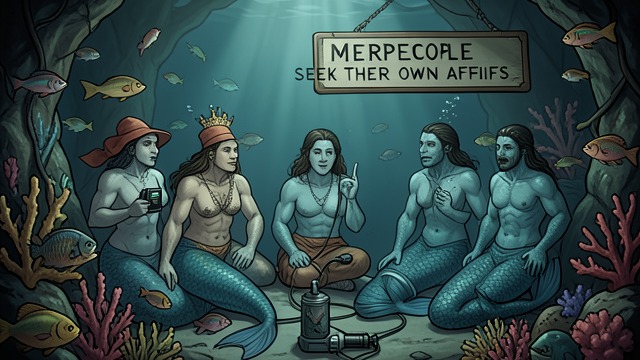
Merpeople Seek Their Own Affairs
Recognition through translators
Grogan Stump’s definition allows Merpeople to become beings with the help of translators. The arrangement acknowledges a language difference that earlier councils treated as exclusionary.
Autonomy after recognition
Despite access to legal status, Merpeople later request to manage their own affairs separately, as Centaurs have done. Recognition does not necessarily mean a desire for ongoing institutional integration.
The sequence distinguishes access from belonging. Communities may gain a place in lawmaking and still prefer distance from wizard authority.
The Unused Liaison Office

The Unused Liaison Office
An official channel
The Ministry maintains a Centaur Liaison Office within the Beast Division, ostensibly providing a point of contact between Centaurs and officials. No Centaur has ever used it.
A bureaucratic joke
Being sent to the office becomes an in-joke among Ministry workers and signals that an employee is likely to be fired. The institution’s official provision is disconnected from the community it is meant to serve.
The office becomes an emblem of failed connection. A formal structure cannot create a relationship when the people concerned do not trust or use it.
Respect Without Assimilation
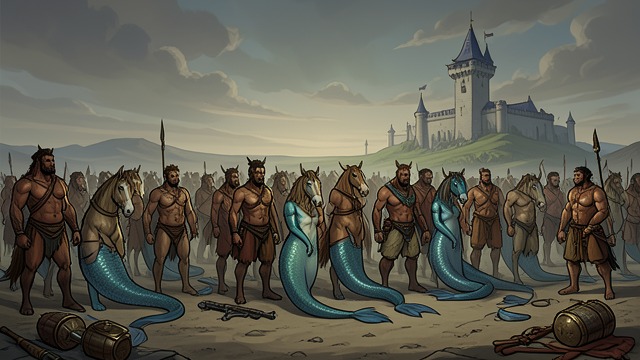
Respect Without Assimilation
Different ways of living
Centaurs live in herds, prefer distance from wizards and Muggles, and maintain their own traditions. Merpeople also have organized communities and customs that remain partly mysterious to outsiders.
A limit to wizard authority
Both groups can reject the status wizards offer and request separate management. Their social bonds and preferences cannot be understood solely through Ministry categories.
The book suggests that coexistence need not mean assimilation. Respect sometimes requires protecting space for communities to choose how close they wish to be to human institutions.
fourteenth century
after the two-legged classification is replaced
after Centaurs refuse being status
at the time Newt describes Ministry practice
in Newt’s explanation of creature communities
